
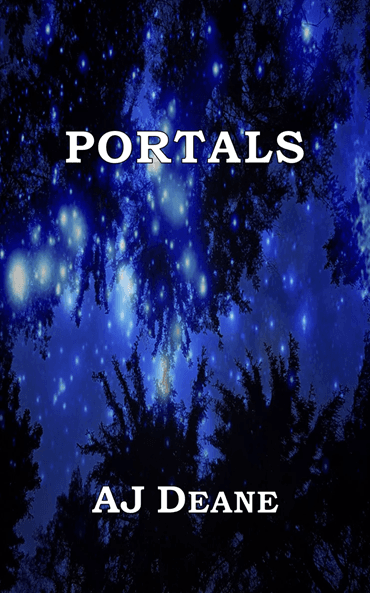
Indie published in September 2024
Early on, in the introduction, I’m told this isn’t your “usual collection.” I say early, but it takes a good thirteen pages to get to said introduction. Front-loading the about the author and separating out a section of other works by Deane, interspersed with blank pages seems a strange formatting choice but I digress. My point is I’m told how different this collection is so that really is the question worth answering.
So, is it different? Not really. I’ve read similar poems and reading thirty-one of them in succession does not a unique collection make (if you’ll excuse the hyperbaton). OK, so it’s not different, or not substantially different I should say. Is it good? Absolutely.
Taken as a whole, the poems work with the genre. They boldly embrace an aspect of the science fiction and fantasy community that makes it one of the best – our ability to accept and imagine, and by extension the trust good authors can have in the reader.
A lot of the poems reference worlds, characters, or events that are fantastical. We don’t have points of reference for this though I’d imagine Deane does. That doesn’t matter though. I don’t need to know why Tarzu is thrice damned to imagine why it might be and enjoy the poem. I don’t need to know what Boomsday is, but I can have fun imagining within the context of the poem. Special shout to Neuronaut which sounded like it was lifted directly from one of Gibson’s Console Cowboy Netrunners.
There doesn’t seem to be a running theme throughout the collection, and this is explained in the introduction as the result of the overflowing nature of Deane’s headspace (and notepads) and they state their hope that they might inspire more in others. That inspiration is really the crux of this collection. It is a series of intriguing story hooks and disparate, efficient world building.
Its efficiency is on show in the slightest of sentences. In They Arrived Under Cover of Rain, when discussing the relative sizes of each war party (Claw is ten, Paw is 50, Arm is 100) the stanza ends, “No tribe has ever numbered enough to need more. Unlike the humans.” This simple line gives us far more information than it suggests.
I generally read poetry out loud. I’d encourage you to do the same no matter where you are, even if you’re on a bus. Especially if you’re on a bus. This gives me a true idea of its flow. Portals benefits from this as the themes and styles make me imagine the speaker is huddled round a campfire telling stories to adventurers. There are one or two moments where the flow doesn’t match up quite right, as though the piece has a syllable too many but honestly, its nothing to worry about.
My favourites of the collection are the more prosaic pieces, though there aren’t enough of them. More would have shaken things up whilst reading as sometimes the more…traditional pieces became too similar to each other over time.
When I read poems, I ask one question at the end. Did it say anything? Poetry can be a powerful tool to change the world or at least the reader. I’m sorry to say it didn’t change me. It had nothing powerful to say to me, no message, just entertainment. Sometimes that’s ok. Whether it’s ok for you is a personal choice.
I, of course, hope like Deane hopes, that if you do read Portals, it kickstarts your imagination, and inspires you to drink from the overflowing well of the fantastical.